
Backpack
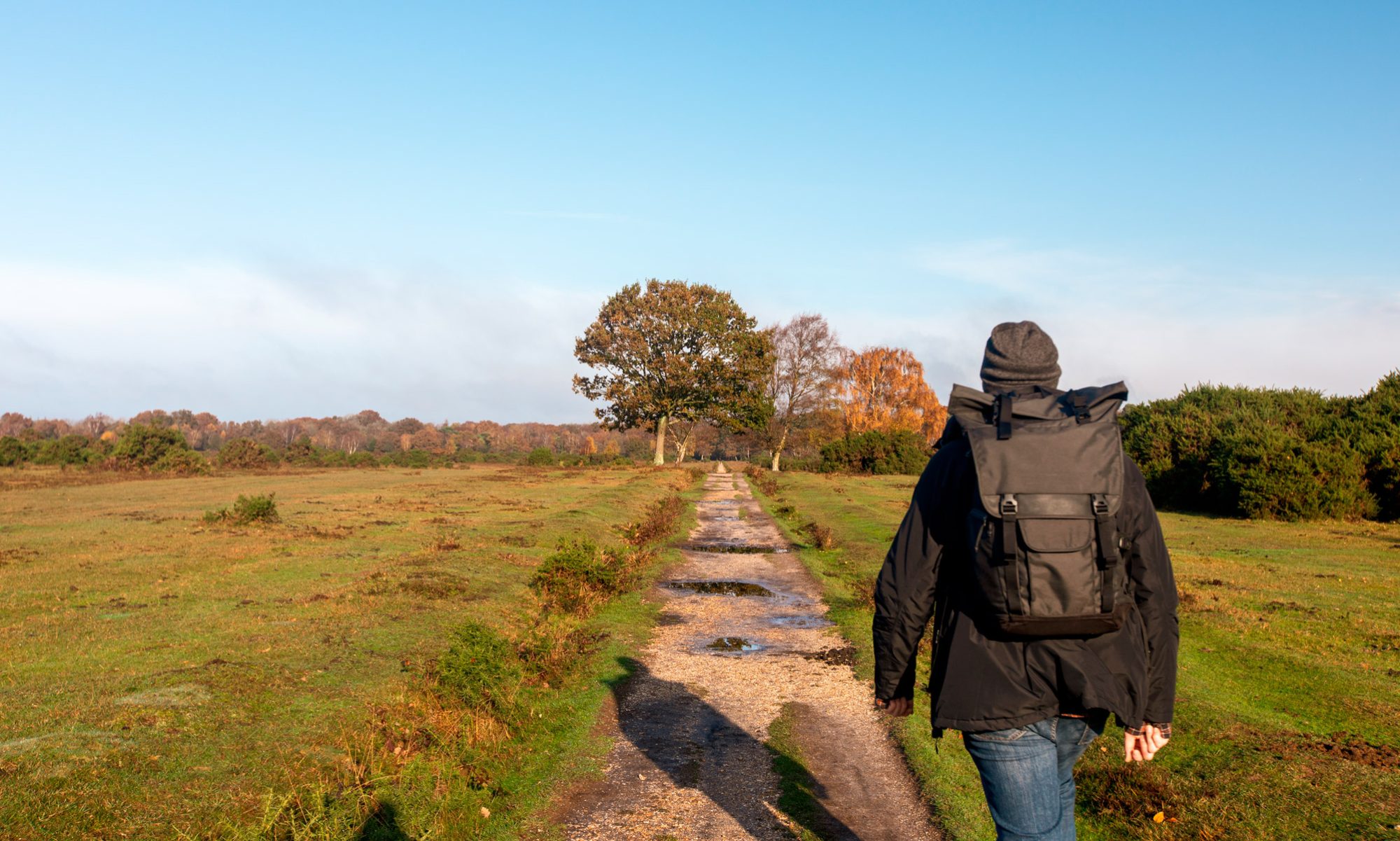
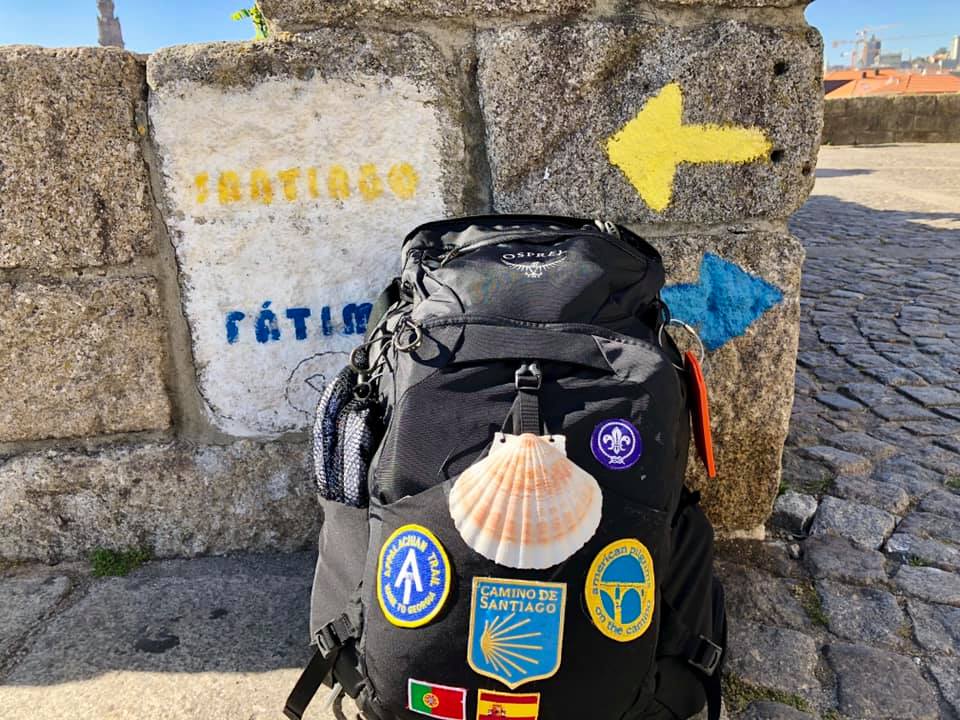
On the walk we will have to bring our essentials like clothing, electronics, medications, toiletries, a water bottle, etc. The backpack should have enough space to hold your items and be light enough to carry throughout the walk. My advice is to go to REI, Bass Pro Shop, and The Alpine Shop to try different backpack brands for weight, packing space and cost.
Backpacks:
https://www.rei.com/
http://www.bassproshop.com
http://www.alpineshop.com
https://www.osprey.com
Preparation
To participate in El Camino, you will need to walk at least 10 kms or 7.5 miles a day, exercise and eating well will help you prepare for the walk.
The terrain is mountainous, and it rains frequently, layers and a good light warm jacket are a must.
A good pair of walking shoes and socks when you are preparing is important, in that way your feet are already used to the shoes and your chances of developing blisters and callouses will be less.
We will be traveling in the beginning of the fall in late September.
With a minimum of 55 F to a high of 75F with an average of 64 F. The weather is benign in comparison to the fall in the US, but it is important to be prepared with the right clothes.
My experience has been visiting REI to see what the latest items for trekking are and then search the web for the best prices unless you can find quality and price there.
Clothing:
https://www.rei.com
http://www.revolutionrace.com
http://www.columbia.com
https://www323degrees.com
Suggested List
• Backpack
• Trekking Poles
• Hiking Shoes
• Flip-flops
• Rain Jacket
• Rain Poncho for self and backpack
• 2 Long and short sleeve hiking shirts (quick dry)
• 2 Pairs of hiking pants
• 1 Pair Pajamas with socks
• 3 pairs of alpaca or merino wool socks
• 3 pairs of underwear/ 2 pairs of sports bras
• 1 pair of thermal underwear
• Alpaca or Merino shirt or light sweater
• Gloves
• Cap or sunscreen hat
• Sunglasses
• Earplugs
• Headlamp
• Water bottle
• Quick dry towel
• International Power Adapter
Additional Items
• Sunscreen
• Mosquito repellent
• First Aid kit
• Pain medicine
• Nausea medicine
• Anti itch medicine
• Antiseptic cream
• Antibiotic Ointment
• Imodium
• Blister tape
• Band-Aids
Toiletries
• Should be small sizes
• Shampoo/Conditioner
• Soap
• Body cream
• Deodorant
• Comb
• Face cream
• Lip balm
Trekking
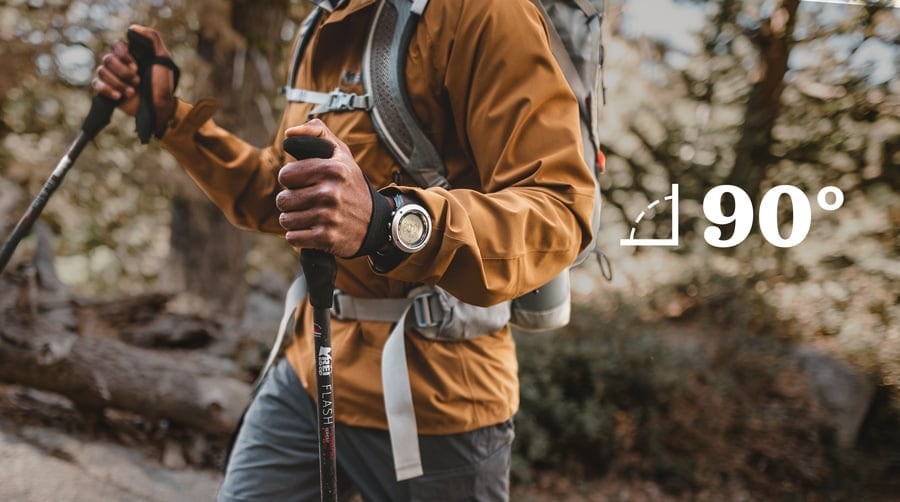
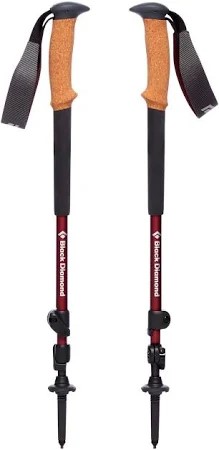
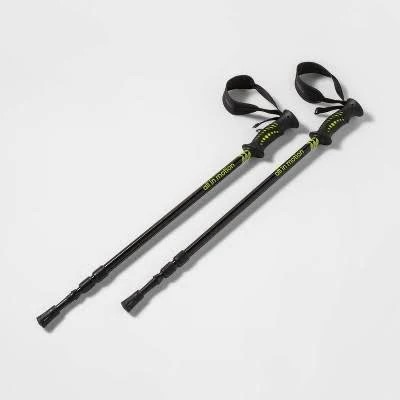
Also, very important are the trekking sticks or poles, the trekking staff or pole is used by people for basically the same reasons as the walking stick for stability and rhythm. The main difference is that they are designed for more difficult terrain. It is commonly advised to use two, one in each hand, like ski poles. There are a variety of brands and qualities of poles, the way to choose is to try weight, height and hand maneuver.
• Trekking poles and hiking staffs are standard equipment for many walkers, hikers, trekkers, backpackers and snowshoers. The reasons why are simple: They enhance your stability and provide support on all types of terrain.
• To get the most out of trekking poles or a hiking staff, follow these steps:
- Single or double? You’ll start by choosing between a pair of trekking poles or a single hiking staff.
- Find the right length: You’re aiming for a 90-degree bend at your elbow when pole tips touch the ground.
- Choose features: Adjustability, foldability, shock absorption, weight and locking mechanisms (for adjustable poles) are just some of the features and options that will guide your buying choice.
You can also shop for sticks or poles at some of the stores that have been mentioned above.
How to choose a trekking stick:
| Height | Suggested Pole Length |
| < 5 ft. 1 in. | 100 cm (39 in.) |
| 5 ft. 1 in. – 5 ft. 7 in. | 110 cm (43 in.) |
| 5 ft. 8 in. – 5 ft. 11 in. | 120 cm (47 in.) |
| 6 ft.+ | 130 cm (51 in.) |
Medication
If you need to take daily medication, it is important that you consolidate your medicines in small pill containers that will have enough to last you during the trip.
If you need to take medication that needs to be cooled, that needs to be taken daily, there are small cooler options that you can carry with you throughout the walk.
For more information about TSA medication transportation requirements, please refer the link below: https://www.tsa.gov.
Information below:
https://www.amazon.com/AUVON-Expandable-Insulated-DiabeticMedication
Transportation
There are various ways to fly to Porto, depending of your city of origin you can via Madrid, Lisboa or directly from New York, Newark or Chicago to Porto. If you fly to Madrid or any other major European city, then you can transfer to Porto via Vueling or other airlines that will fly to Porto. If you fly to Lisbon, you can travel via plane or train, the train ride is easier since it can take as little as 2.5 hrs. nonstop with great service.
Information below:
Airline direct flight from NYC or EWR: http://www.flytap.com
*Airline from major cities in Europe: https://www.vueling.com
*Train to and from Lisboa: https://rail.ninja/route/lisbon-to-porto
Travel Insurance
Purchasing travel insurance or using your personal insurance is very important; the Peregrino should be covered with health insurance during the walk. The weather and the roads can be rough at times, and we should all be prepared in case of a fall or illness.
Will provide more detailed information below:
https://www.consumersadvocate.org/travel-insurance/lp/travel-insurance-sem?pd=true&keyword=travel%20insurance%20comparison&gca_campaignid=15845243168&gca_adgroupid=132432753575&gca_matchtype=e&gca_network=g&gca_device=c&gca_adposition=&gca_loc_interest_ms=&gca_loc_physical_ms=9022852&gca_creative=705885150185&gad_source=1&gclid=CjwKCAiAlPu9BhAjEiwA5NDSAy6Vrlzx3nEEvdBGg7mtqJkry7JN3wDqOFbRKqQGfS_hPONOSy66shoCF4cQAvD_BwE